Voitheia Forged Home

Category

Craft Culture

22 articles

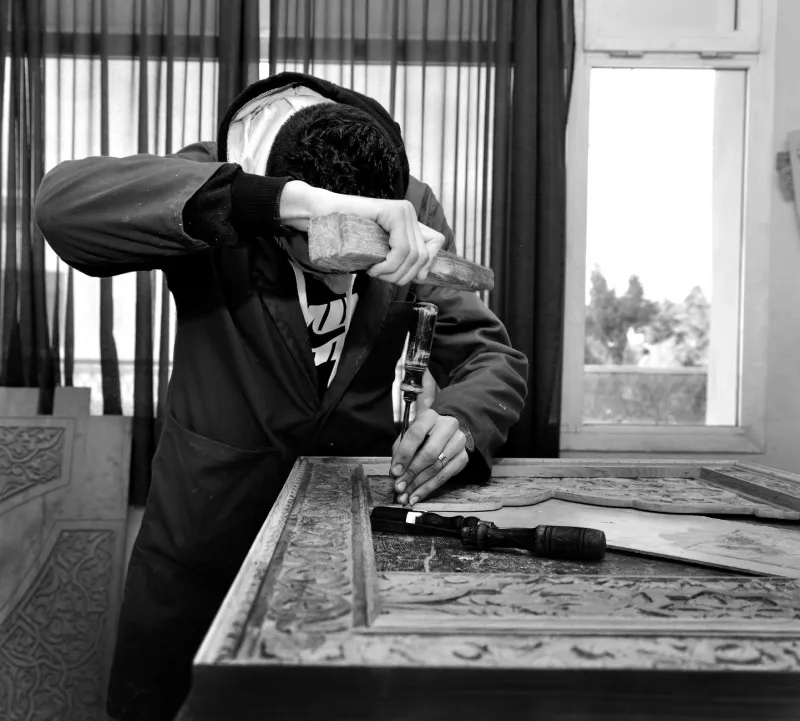
The Moment of Silence: How Skilled Makers Recognize When a Piece Has Said Everything It Needs To

The Moment of Silence: How Skilled Makers Recognize When a Piece Has Said Everything It Needs To

There is no alarm, no printed checklist, no timestamp that tells a seasoned craftsperson their work is complete. Instead, something quieter and far more authoritative speaks — a convergence of accumulated knowledge, material intuition, and an almost wordless understanding between maker and object. What that moment reveals about handcraft is worth examining carefully.

The Quiet Commitment: Why Some Young Makers Are Choosing Depth Over Digital Fame

The Quiet Commitment: Why Some Young Makers Are Choosing Depth Over Digital Fame

A growing number of apprentice craftspeople are making a counterintuitive choice: stepping back from social media to invest fully in the slow, unglamorous work of mastering a trade. Their decision challenges the dominant logic of visibility-as-value and raises a question worth sitting with — does genuine skill still speak for itself in a world that rewards the loudest voice in the room?

When the Piece Falls Short: How Artisans Reckon With Their Own Failures

When the Piece Falls Short: How Artisans Reckon With Their Own Failures

Every craftsperson who has spent serious time at the bench knows the particular weight of a failed piece—the moment when effort, material, and intention fail to converge. How master artisans respond to that failure reveals something essential about the philosophy of handcrafted work that no production line will ever replicate.

Surface as Story: How Oxidation Becomes a Craftsperson's Most Honest Signature

Surface as Story: How Oxidation Becomes a Craftsperson's Most Honest Signature

On a forged metal object, the surface is never merely decorative — it is a record. Patina accumulates as a chronicle of the maker's process and the owner's relationship with the piece, and discerning customers are beginning to understand the profound difference between a surface that has aged with integrity and one that has simply been neglected.

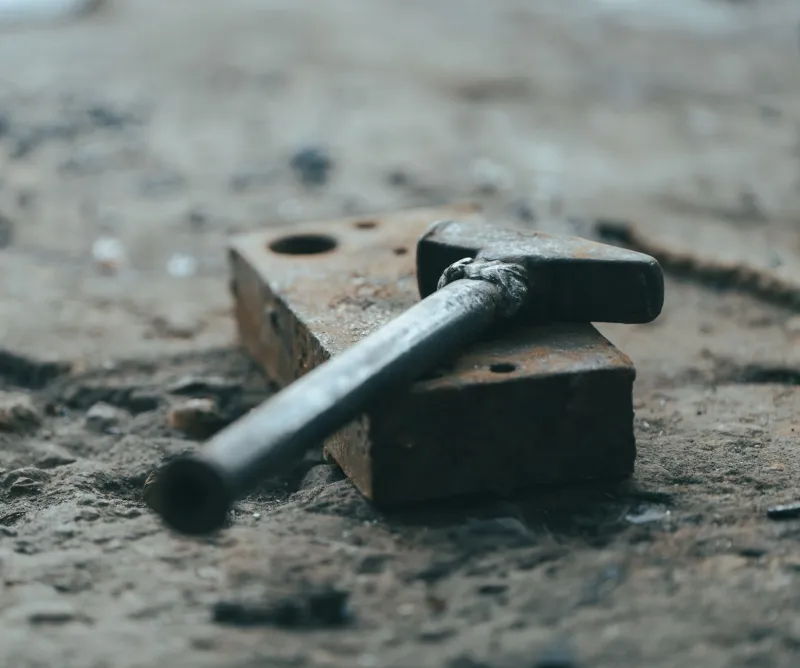
Worn Into Partnership: The Lifelong Bond Between Craftspeople and Their Tools

Worn Into Partnership: The Lifelong Bond Between Craftspeople and Their Tools

A seasoned craftsperson rarely speaks of tools in purely functional terms. The hammer that has shaped thousands of pieces, the chisel whose handle has absorbed decades of grip—these objects become something closer to collaborators than instruments. This article explores the science, sentiment, and profound meaning behind the artisan's refusal to let go.

The Necessary Quiet: How Solitude Shapes the Craftsperson's Highest Work

The Necessary Quiet: How Solitude Shapes the Craftsperson's Highest Work

In an era of perpetual notification and ambient noise, the serious maker faces a threat that no dull blade or inferior material can match: the erosion of sustained, uninterrupted attention. Solitude is not a luxury for the craftsperson—it is the very medium through which mastery is refined. This piece examines why protecting silence in the workshop is among the most consequential professional decisions a maker can make.

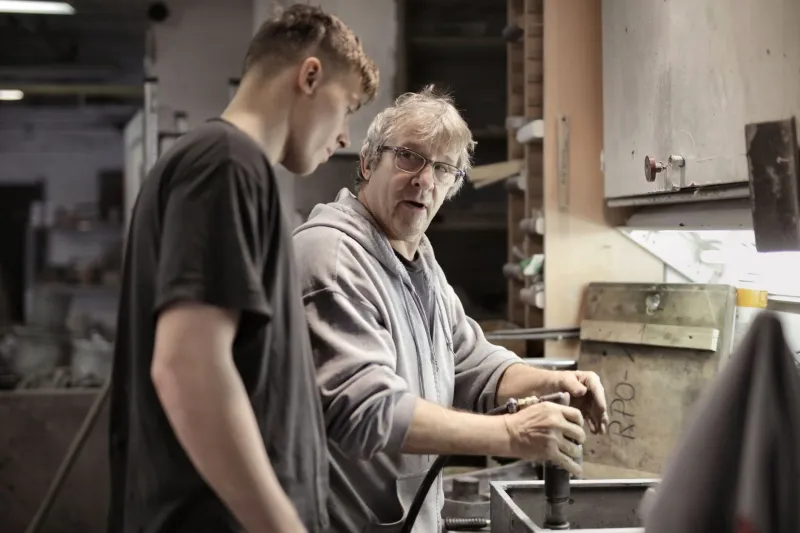
When Knowing Too Much Gets in the Way: The Hidden Struggle of the Master Craftsperson as Teacher

When Knowing Too Much Gets in the Way: The Hidden Struggle of the Master Craftsperson as Teacher

Decades of muscle memory and intuitive skill can quietly become the greatest obstacle to passing that knowledge on. The very depth of a master craftsperson's expertise often makes it harder, not easier, to explain the reasoning behind each deliberate motion. Voitheia Forged examines the paradox at the heart of craft transmission—and what it demands of those willing to teach.

Before the Mastery Comes the Monotony: Why So Many Young Makers Quit Too Soon

Before the Mastery Comes the Monotony: Why So Many Young Makers Quit Too Soon

The path from curious beginner to genuine craftsperson has always demanded patience, repetition, and a willingness to be uncomfortable for years before competence arrives. Yet a growing number of young Americans are abandoning that path precisely when the work becomes most formative, raising urgent questions about what our culture has come to expect from learning itself.

The Broken Chain: How America Lost Its Path From Novice to Master

The Broken Chain: How America Lost Its Path From Novice to Master

The traditional apprenticeship once offered young Americans a structured passage into lifelong craft mastery—a journey measured in years, not semesters. Today, that passage is narrowing. Economic pressures, abbreviated training timelines, and the quiet disappearance of true mentorship are severing the chain that once connected one generation of makers to the next.

Mend, Don't Discard: The Case for Restoring What Was Built to Last

Mend, Don't Discard: The Case for Restoring What Was Built to Last

As repair culture gains momentum across the United States, handcrafted goods occupy a singular position in the conversation — not merely as objects worth fixing, but as works designed from the outset to be restored. The economics and ethics of repair challenge everything the disposability economy has normalized, and the craftspeople who build to last are leading the charge.

The Measured Blow: How Cadence and Deliberate Pause Transform the Act of Making

The Measured Blow: How Cadence and Deliberate Pause Transform the Act of Making

In a world engineered for speed, the rhythmic cadence of handcraft—hammer striking anvil, the breath held before a finishing cut—offers something industrial production cannot replicate: a living dialogue between maker and material. This deliberate tempo is not inefficiency; it is intelligence of a different order. Understanding it reveals why the objects born from such discipline endure far beyond their machine-made counterparts.

Where the Hand Meets the Handle: The Hidden Intelligence of Tactile Design

Where the Hand Meets the Handle: The Hidden Intelligence of Tactile Design

The moment a well-made tool settles into the palm, something registers before thought does. Artisans who engineer for the hand understand that ergonomic integrity is not a feature—it is the foundation upon which all other qualities depend. This is why the relationship between grip and object remains the most honest measure of true craftsmanship.

Stewardship by Inheritance: Preparing the Next Generation to Care for Handcrafted Legacies

When a handcrafted piece passes from one generation to the next, it carries with it not only beauty and memory but also a set of obligations that mass-produced objects rarely impose. Understanding how to receive, maintain, and honor an artisanal heirloom is itself a form of craft—one that families must learn deliberately. This article examines the practical and emotional dimensions of inheriting handmade work, and why the succession plan for such objects matters as much as the objects themselves

Objects That Outlast Us: How Handcrafted Pieces Become the Anchors of Family Memory

A handcrafted object does not merely survive time — it accumulates meaning within it. Across generations of American families, artisan-made pieces have served as vessels for memory, identity, and continuity in ways that mass-produced goods simply cannot replicate. This article examines the psychology behind heirloom-making and the quiet power of intentional craftsmanship to bind generations together.

Vanishing Hands: The Crisis Quietly Dismantling American Craft Trades

Across the United States, the pipeline of skilled artisans is narrowing at an alarming rate, as apprenticeship programs disappear and hands-on trade training gives way to screen-based education. The consequences extend far beyond nostalgia—threatening the very infrastructure that makes handcrafted production possible. Understanding how this gap formed, and who is working to close it, matters deeply for anyone who values the permanence of things made well.

The Craftsman's Blueprint: Enduring Business Lessons from the Workshop Floor

The Craftsman's Blueprint: Enduring Business Lessons from the Workshop Floor

The master craftsperson and the chief executive appear to occupy entirely different worlds. One works with hands and tools; the other navigates boards, balance sheets, and organizational complexity. Yet the principles that allow a craftsperson to build objects that outlast generations bear a striking resemblance to the principles that allow a company to outlast its competitors. The workshop floor has more to teach the corner office than most executives have been willing to admit.

Earned Beauty: Why the Marks of Time Make Handcrafted Objects More Valuable, Not Less

Earned Beauty: Why the Marks of Time Make Handcrafted Objects More Valuable, Not Less

In a marketplace obsessed with flawless surfaces and factory-fresh finishes, handcrafted goods tell a different story — one written in scratches, oxidation, and the soft luster of repeated use. Understanding why patina represents quality rather than deterioration changes how discerning buyers relate to the objects they own. This is the philosophy of earned beauty.

Iron, Identity, and Intention: How a New Generation Is Reclaiming the Forge

Iron, Identity, and Intention: How a New Generation Is Reclaiming the Forge

Across the United States, a quiet but powerful movement is unfolding inside workshops and fire-lit studios where younger Americans are choosing hammer and anvil over keyboard and screen. Far from a nostalgic hobby, this resurgence of blacksmithing among millennials and Gen Z reflects a deeper hunger for meaning, mastery, and material permanence in an age defined by the disposable. Voitheia Forged explores what draws a new generation to one of humanity's oldest trades.